Rural Development Inter-Diocesan Service (RDIS) provides integrated development services that promote environmental sustainability, resilient livelihoods, and inclusive socio-economic transformation. Working in partnership with different development partners, and local communities, we design and implement practical solutions that improve the quality of life while safeguarding natural resources for future generations. Our services include:
1. Sustainable landscape restoration
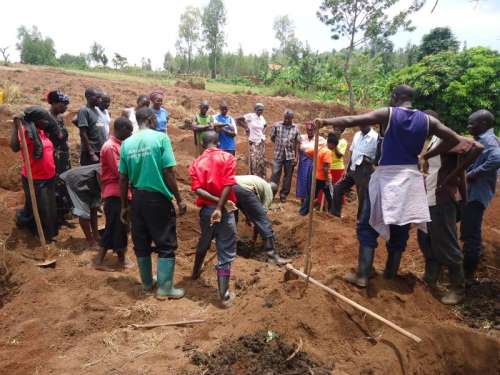
We restore degraded landscapes through community-led initiatives that enhance biodiversity, improve ecosystem services, and strengthen climate resilience.
Our interventions include: Landscape restoration planning and implementation, Afforestation and reforestation, Agroforestry systems, Watershed restoration, Biodiversity conservation, Community tree nursery establishment and management.
2. Climate change and environmental management
RDIS supports communities and institutions in addressing climate change through sustainable environmental management and nature-based solutions.
Our services include: Climate adaptation and resilience programmes, Environmental conservation initiatives, Carbon emission reduction projects ,Natural resource management , Environmental education and awareness, Disaster risk reduction
3. Sustainable agriculture and agroecology
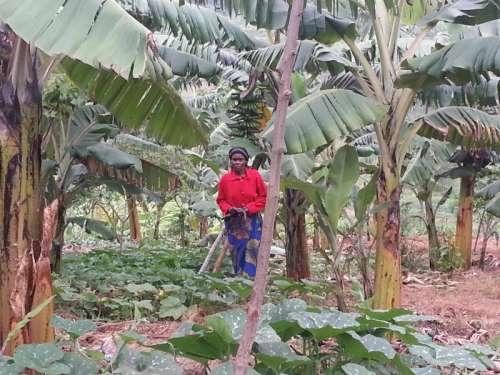
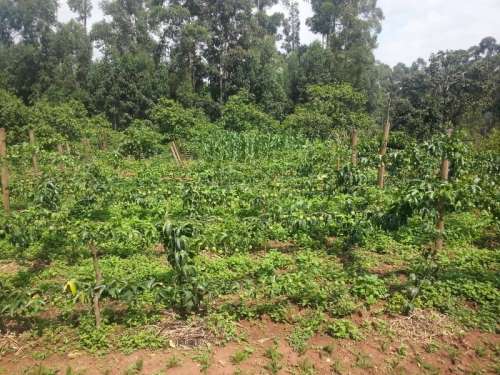
We promote productive and environmentally sustainable farming systems that improve food security and household incomes.
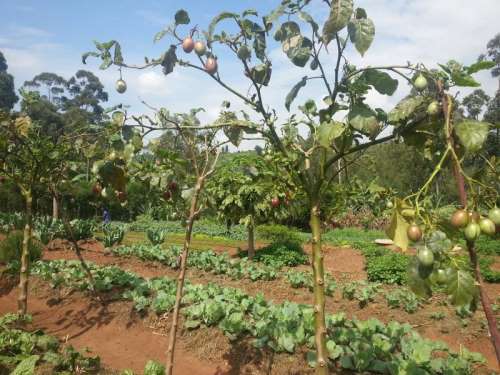
Services include: Agroecology training, Climate-smart agriculture , Soil fertility improvement , Sustainable crop production , Farmer Field Schools , Integrated farming systems , Value chain development
4. Community livelihoods and economic empowerment
We strengthen household resilience through sustainable income-generating opportunities and financial inclusion.
Key services include: Community savings and lending groups , Entrepreneurship development, Youth and women empowerment, Cooperative strengthening , Small business development , Skills development for sustainable livelihoods
5. Clean energy solutions
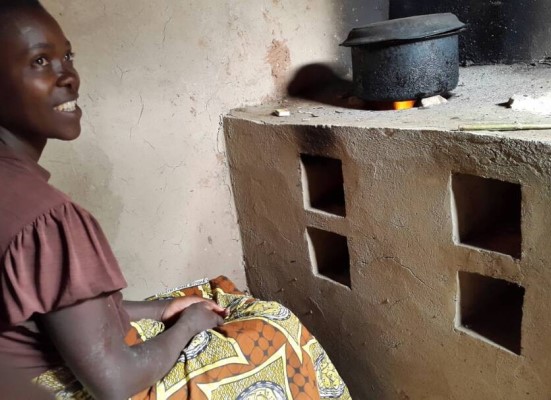
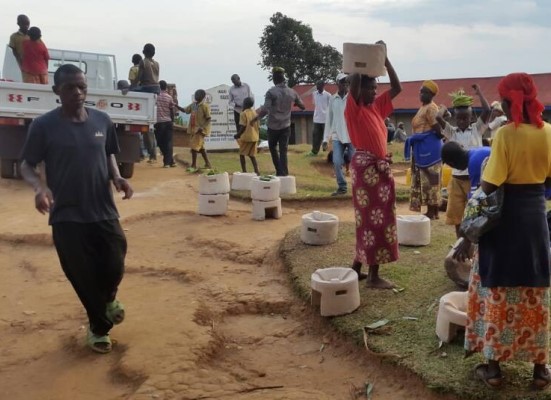
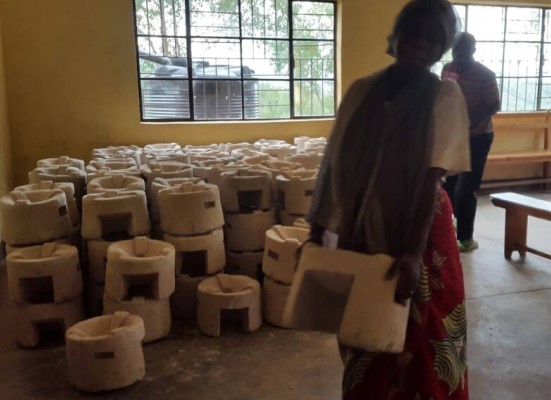
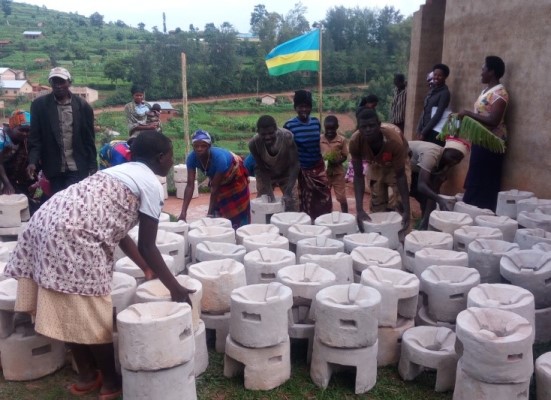
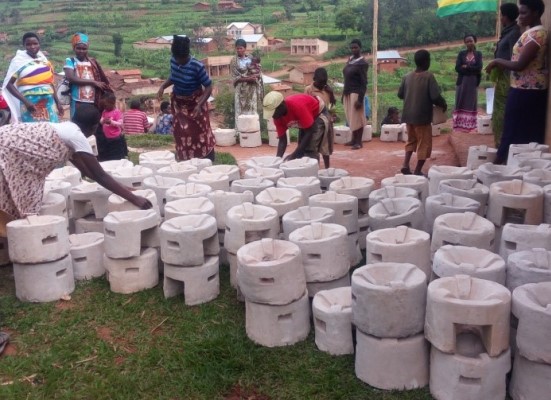
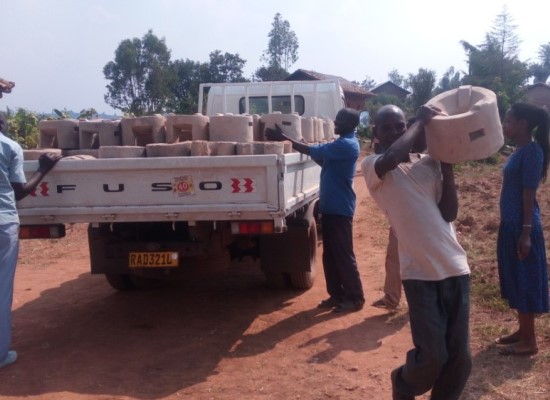
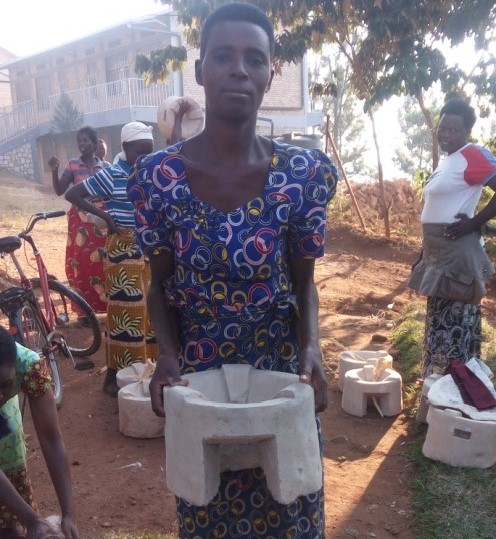
Building on our long-standing experience in energy-saving technologies, RDIS promotes access to clean and affordable household energy.
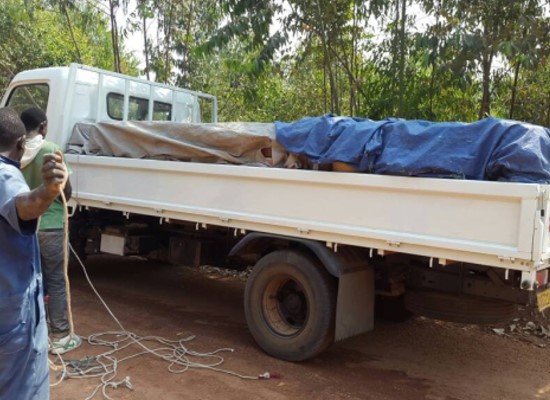
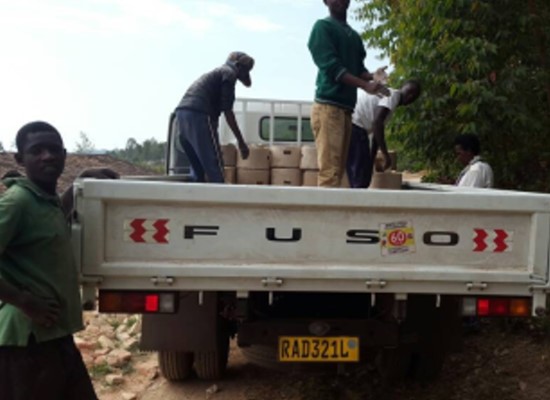
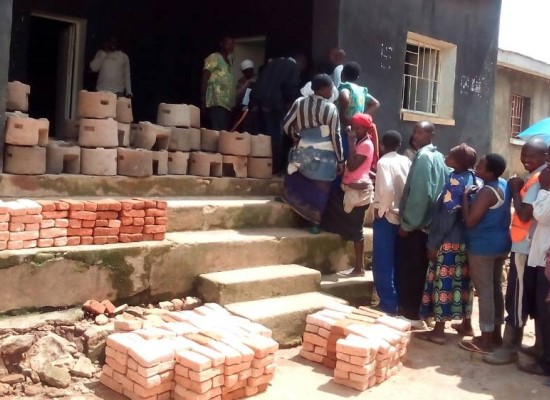
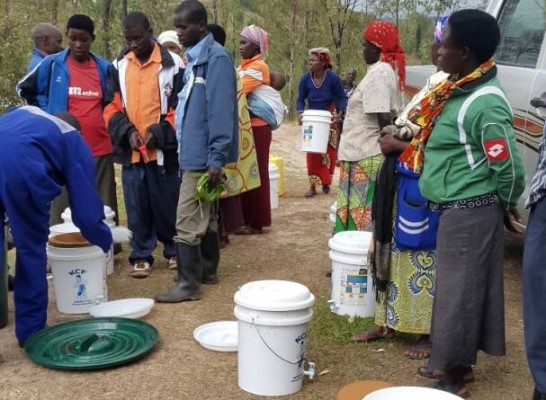
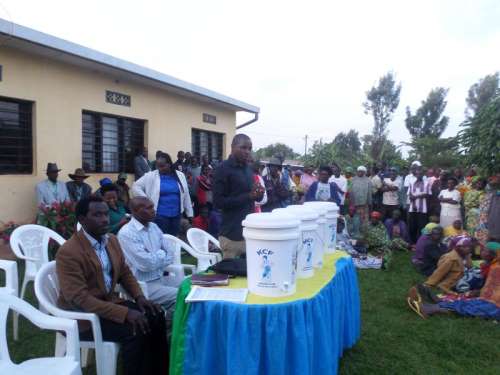
Our services include: Improved Cook Stove (ICS) production and distribution, Improved Cook Stove installation, User training, maintenance and repair, Ceramic Water Filter promotion , Household energy efficiency , Carbon project implementation and emission reduction initiatives
6. Water, Sanitation and Hygiene (WASH)
We contribute to healthier communities by promoting safe water, sanitation, and hygiene practices.
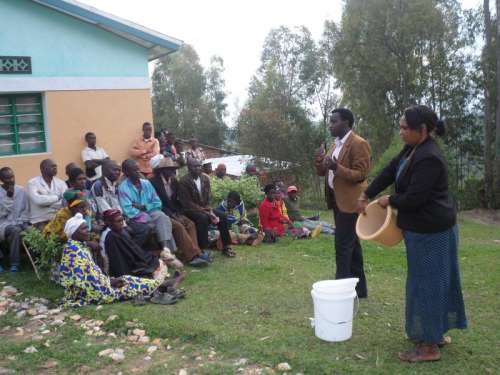
Our interventions include: Safe water initiatives, Household water treatment technologies, Community hygiene promotion, Sanitation awareness campaigns, Behaviour change communication
7. Capacity building and institutional development
RDIS strengthens the capacity of communities, civil society organizations, churches, cooperatives, and local institutions.
Our services include: Leadership development, Community mobilization , Project management training, Organizational strengthening, Governance support, Technical skills development
8. Research, Monitoring and Evaluation
We provide evidence-based planning, monitoring, learning, and evaluation services to improve programme effectiveness.
These include: Baseline and end-line studies, Monitoring and evaluation systems , Project evaluations, Data collection and analysis, Knowledge management, Learning documentation
Our commitment
Every service we provide is guided by our mission of safeguarding the environment, increasing production, and promoting sustainable and holistic development. Through innovation, collaboration, and community participation, RDIS remains committed to creating resilient communities and lasting positive impact across Rwanda.