
RDIS HELDS MIDTERM EVALUATION OF ITS STRATEGIC PLAN (2020-2025)
- Details
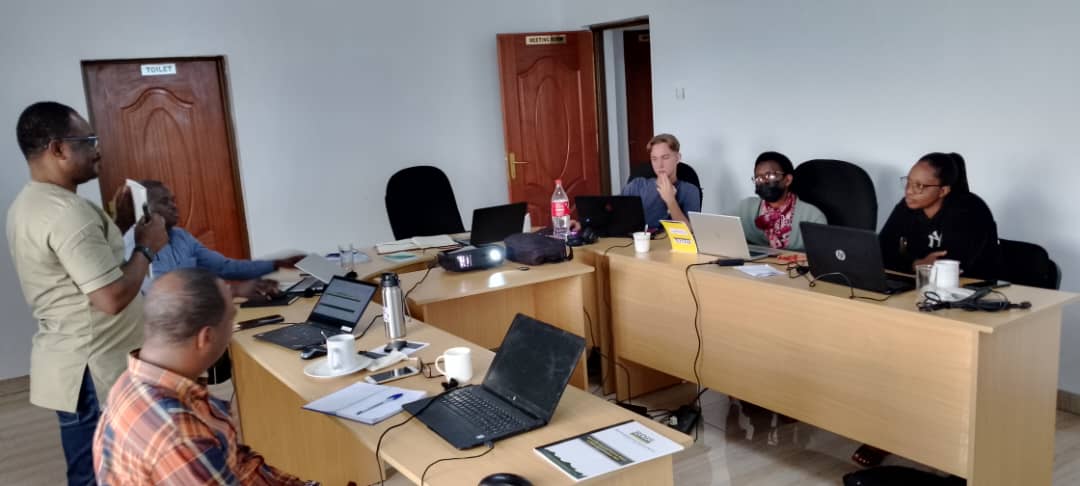
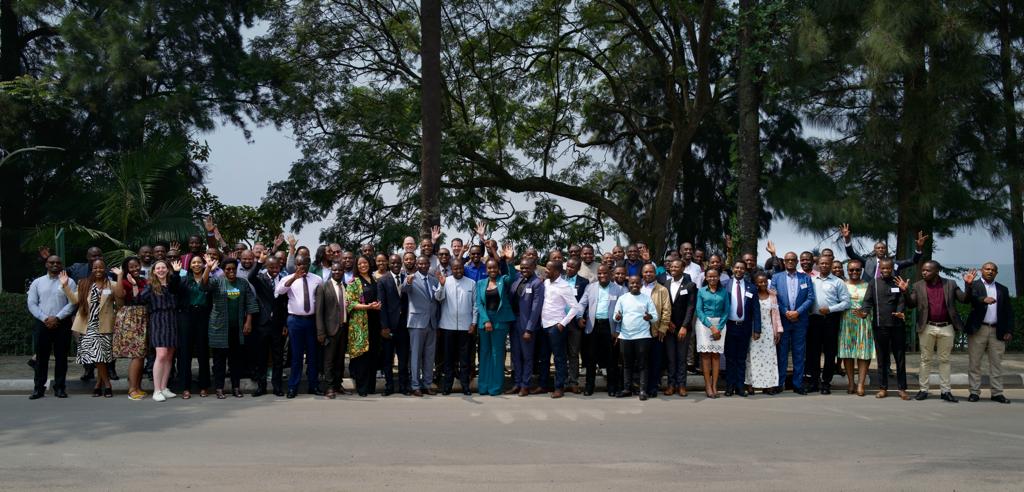
RDIS works out a Strategic Plan and Annual Plans to ensure community needs are considered and, organization’s sustainability is assured. To this end, a midterm evaluation was held from 15-17th November 2023 to assess the achievements against the planed objectives, indicators and targets. It was attended by the management team and the Assistant Field Coordinator of RDIS in Shyogwe Zone, and facilitated by Rev. Godwin Ampony, the United Evangelical Mission (UEM) Team leader International Diaconia. The team were taken through an evaluation framework with an emphasis on key determinant issues which weight more in the development and growth of RDIS organization and impact it makes in the communities as stipulated in the strategic plan:
Refresher Training of Enumerators in Improved Cook Stoves Distribution Project in Rusizi - Rwanda
- Details
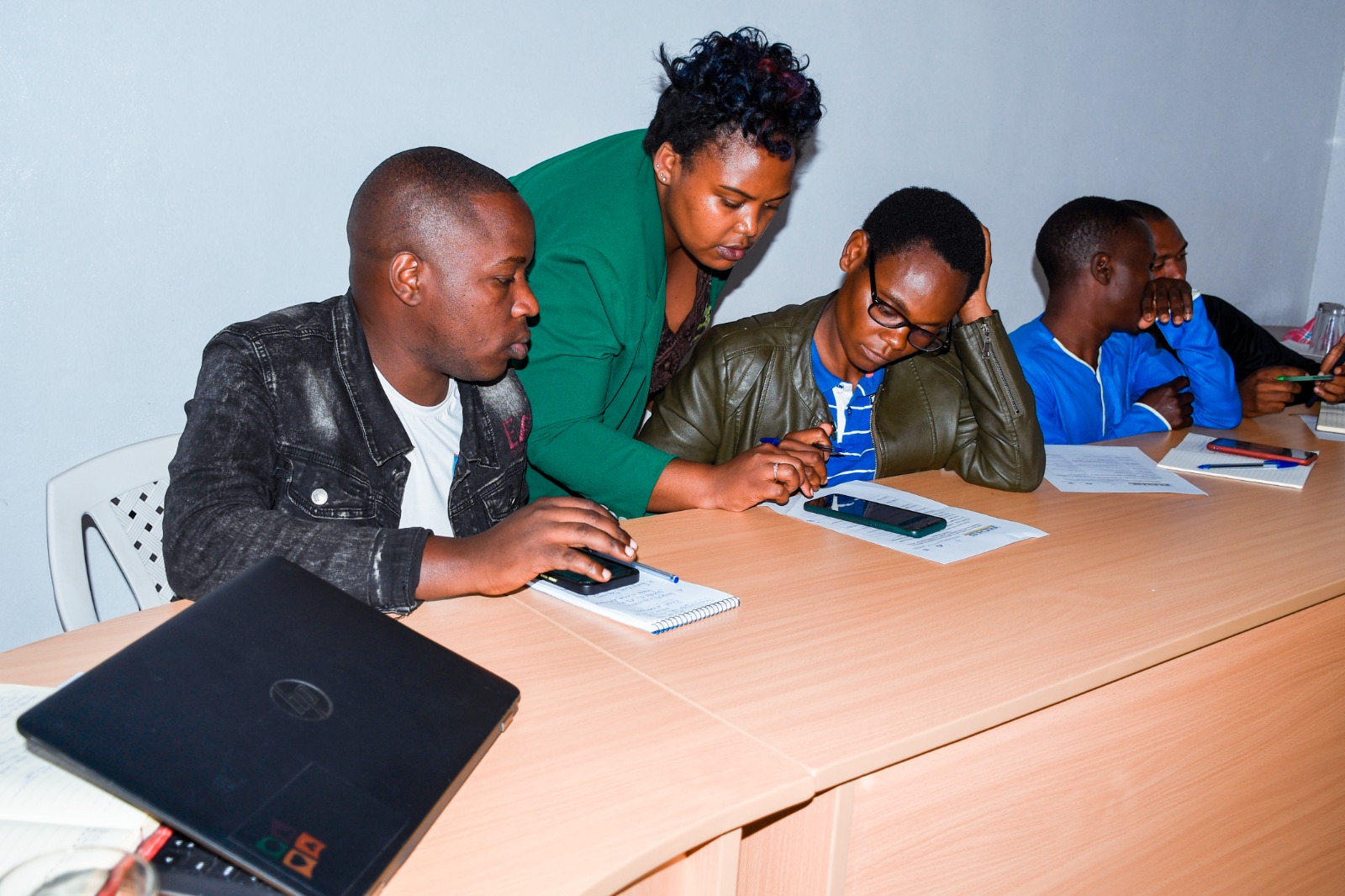
Carbon projects rely on well-collected and stored data about stove usage. For this purpose, our consultants from AnchorEco introduced the use of an application called KoboToolbox for data collection. A refresher training was necessary to ensure that all the staff in the field used this tool properly for the successful implementation of our ongoing carbon project for distributing improved cook stoves in Rusizi District, Rwanda.
For the best use of the registration of installed Improved Cook Stoves, this refresher training has been prepared and held on the 25th October 2023 at RDIS Head Office and facilitated by the consultants for those staff directly involved in the project, especially on the work of enumerators. To learn from the experiences, some practical cases of the registration work have been explored, and a reminder to the enumerator’s value has been recalled. Committed to the success of their work, enumerators reaffirmed to abide to their work and to neatly joint their efforts to the success of the project.
Itangazo ry’ibitangazamakuru risaba ibitekerezo rusange mu gihe cy’iminsi 30.
- Details
KIASI
Itangazo ry’ibitangazamakuru risaba ibitekerezo rusange mu gihe cy’iminsi 30.
“Ibitekerezo by'abafatanyabikorwa” Kiasi energy ku bufatanye na RDIS mu mushinga wo kugabanya ibicanwa hifashishijwe amashyiga agabanya ibicanwa mu Rwanda, bise Better cooking for better health in Rusizi district -Rwanda, ukaba urimo gutezwa imbere binyuze muri VERRA / Voluntary Carbon Standard (VCS) na (SD VISta) Sustainable development verified standard mu rwego rwo kubona Voluntary Carbon Units (VCU).
Aya mashyiga agabanya ibicanwa aratangwa kandi akanubakirwa mu ngo zo mu Rwanda, mu karere ka Rusizi bityo agasimbura amashyiga gakondo (amashyiga atatu), hagamijwe kugabanya ingano y’ibicanwa (inkwi) bikoreshwa mu guteka, bikanagabanya ibyuka bihumanya ikirere ndetse n’ imyotsi yo mu bikoni.
Environmental Conservation in Western Province of Rwanda (Rusizi and Nyamasheke Districts) / Tree Nursery Project in the year 2022
- Details
RDIS in partnership with Rwanda Action has been implementing successfully the project of Environmental Conservation in Western Province of Rwanda (Rusizi and Nyamasheke Districts) for a long time. In the last year, from February to December 2022, RDIS organization prepared and maintained five tree nurseries which produced 150,000 seedlings for forestry, Agroforestry and fruit trees as per MoU signed by both RDIS and Rwanda Action. All the prepared seedlings were distributed to be grown by the rural poor farmers from Rusizi and Nyamasheke districts in the Western Province of Rwanda.
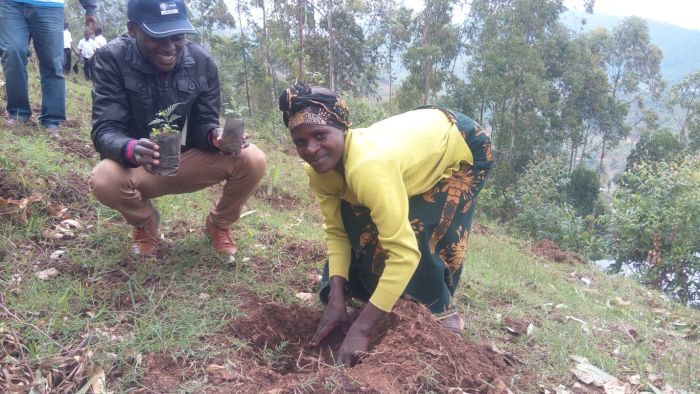
In Nyamasheke district, the tree nurseries are located in Kanjongo and Bushenge sectors, while in Rusizi district the tree nursery bed sites are located in Nzahaha, Nyakabuye and Bweyeye sectors.
The total area of land restored in 2022 including the land owned by poor farmers, i.e. public land (planted during community work / Umuganda) is around 93.74 hectares.
Tender announcement for supplying equipment for the Stoves Project in Rusizi
- Details
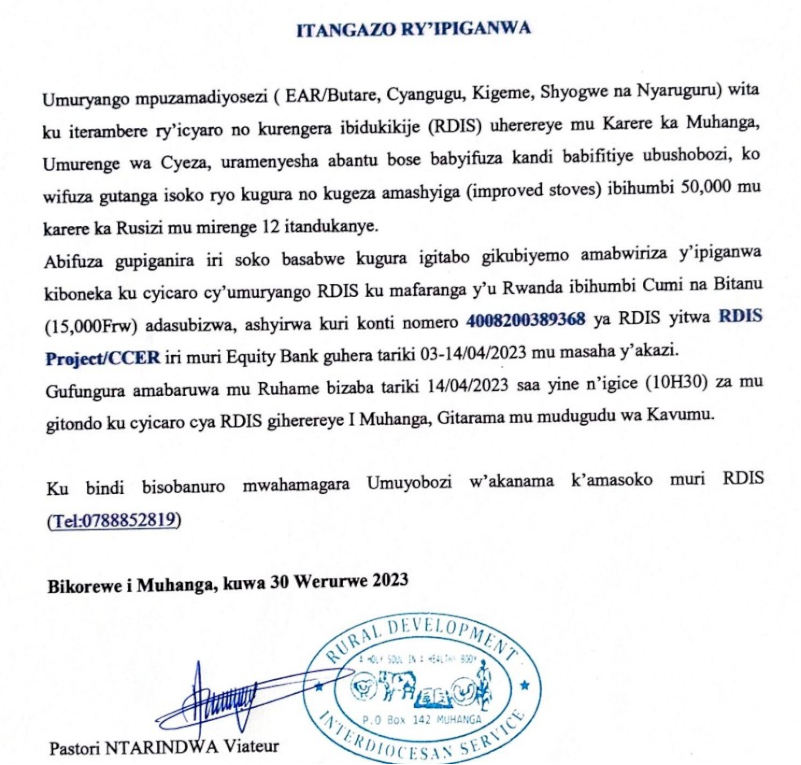
Please download the full tender notice in PDF format here.
House Building Project for Vulnerable Families
- Details
Also in the year 2022, the Rural Development Inter-Diocesan Service (RDIS) has successfully implemented a project for building homes for vulnerable families in Rwanda in support of the United Nations' Sustainable Development Goals.
RDIS in close collaboration with the local leaders identified one family from Nyaruguru district and another from Rusizi district as beneficiaries and collaborated with local leaders, the Anglican Church - Cyangugu and Nyaruguru dioceses, and the community to construct their homes.
The inauguration of the home for home of a widow AYINSHAKIYE Anne Marie with 3 children -- in Rusizi district, GASHONGA sector, RUSAYO Cell, in CYIBOMBWE village, took place on 24/11/2022.
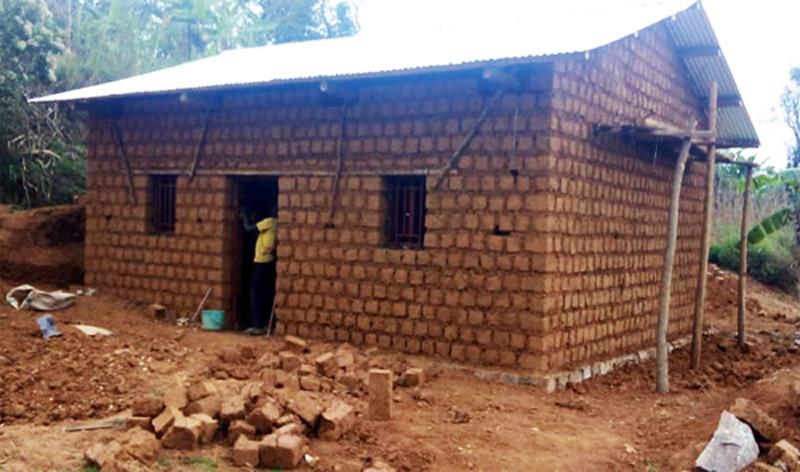
House of NSHUTIRAGUMA Eliazar and MUNGANYINKA Odette with her 4 children from Nyaruguru district, Mata Sector, Ramba cell, Cyafurwe village.
How Our Improved Cook Stoves Are Making A Positive Impact in Rwanda
- Details
Since 2017, we at Rural Development Inter-diocesan Service (RDIS) have distributed 6,379 improved cook stoves to households in Rwanda during our first phase of our Carbon project, nicknamed CCER-1. These stoves use only 30% of the firewood compared to traditional stoves, which means families are saving on fuel costs. Plus, they cook food faster and more efficiently, making meal preparation more convenient for families.
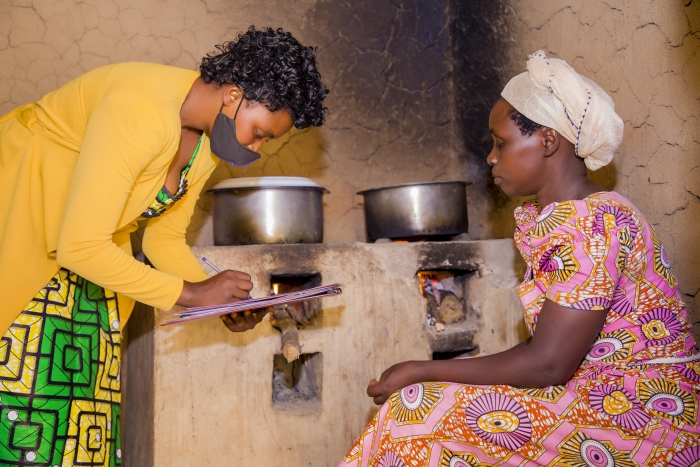
Our stoves are not only efficient but affordable as well. We distribute them for free and only ask beneficiaries to make a small contribution for installation materials such as sand, stones and clay soil. This ensures that households of all income levels can access our stoves.
Page 5 of 13
Our Sponsors and Partners
RDIS collaborates with a diverse network of sponsors and partners who share its commitment to development, innovation, and community impact. These valued allies provide strategic support, resources, and expertise, enabling RDIS to implement sustainable projects, enhance service delivery, and drive positive change across Rwanda and beyond