- Details
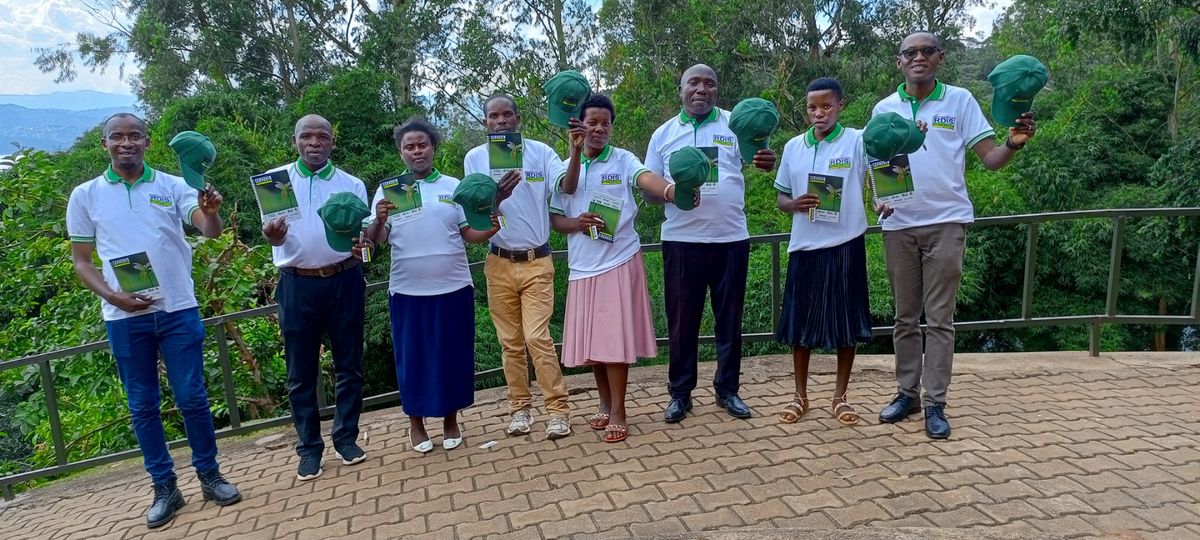
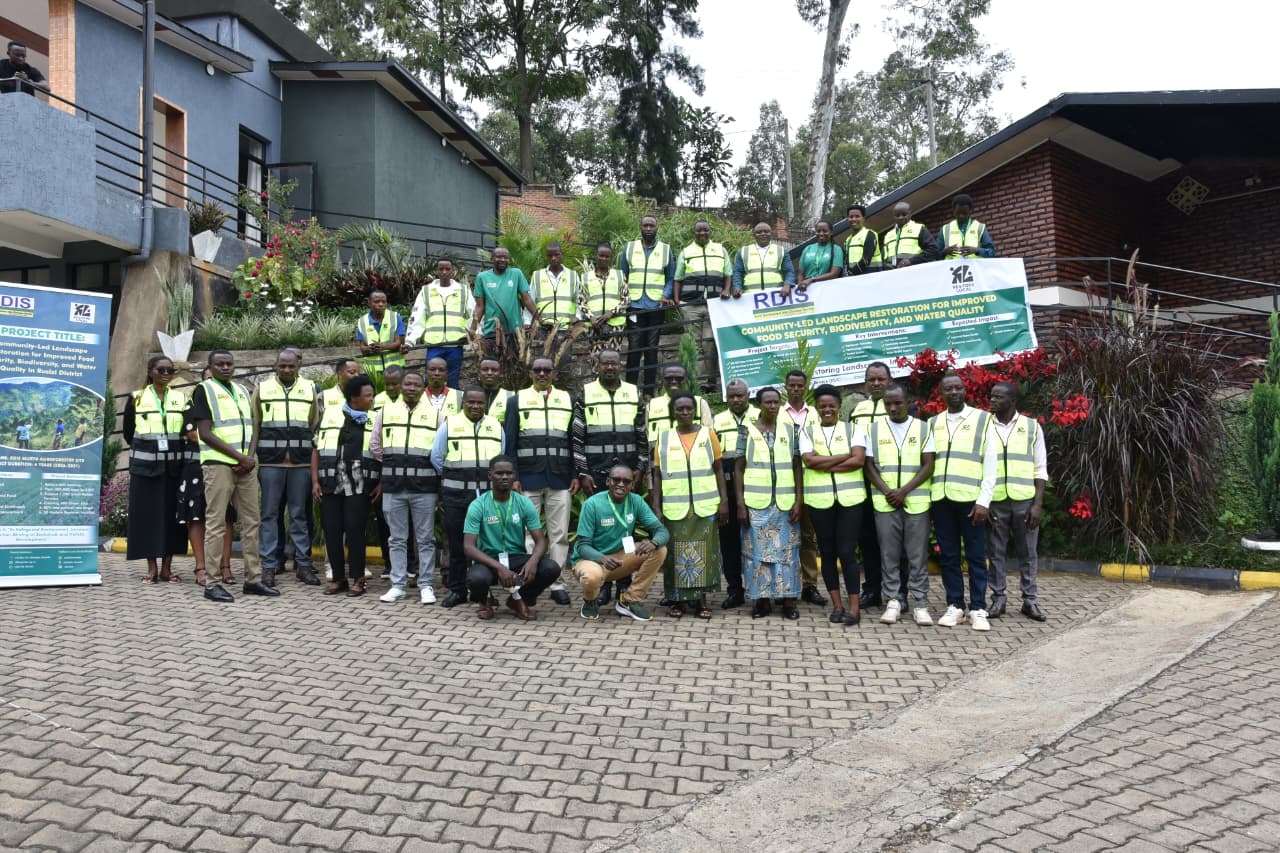
Rural Development Inter-diocesan Service (RDIS) is leading a transformative landscape restoration initiative aimed at revitalizing the Lake Kivu Basin in Nyamasheke and Rusizi districts. This ambitious project seeks to restore 860 hectares of degraded land by planting 377,000 trees by the end of 2025, with 320,450 maturation and ecosystem recovery targeted for 2029. To date, 211,293 trees representing 56% of the annual planting target have been successfully established across six restoration sites: Bweyeye, Gihombo, Kanjongo, Kirimbi, Kamembe, and Nzahaha. These seedlings are thriving, with an average survival rate of 82.5%, contributing to watershed protection, soil fertility enhancement, and the regeneration of local ecosystems.

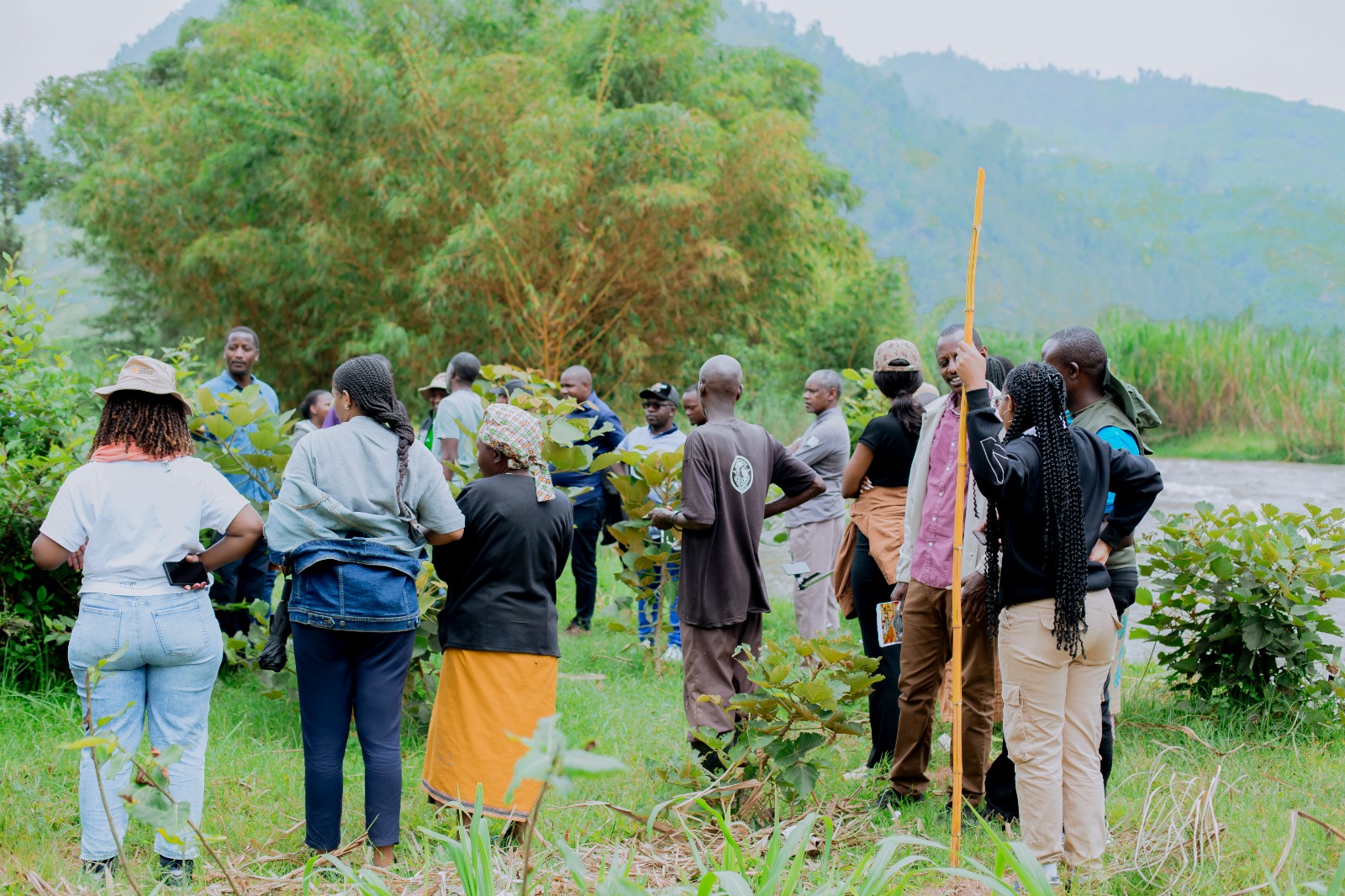
Central to the project’s success is the deep engagement of local communities. The initiative has already generated 303 employment opportunities, exceeding the original 2029 target by more than 200%, with 61% of recent hires being women and nearly 70% youth. Local volunteers, farmers’ cooperatives, and sector leaders have been integral to the project, participating in planting, maintenance, and protection of restoration sites. Communities have embraced native species such as Ficus thonningii (Umuvumu), previously underutilized, recognizing their essential role in controlling erosion and improving soil health.
Six thriving nurseries now house over 249,000 seedlings, surpassing annual production targets and ensuring a reliable supply for upcoming planting seasons. These nurseries also provide income-generating opportunities for local residents through nursery management, manure supply, and other supportive services. Despite challenges including drought, grazing pressures, and occasional seedling theft, RDIS maintains high survival rates through regular maintenance, two rounds of weeding, community patrols, and targeted replacement planting, with local leaders actively safeguarding restoration areas and enforcing protective measures.
The project delivers tangible benefits to communities beyond environmental restoration. Over the past six months alone, 72 community members have directly benefited, with more than 300 households gaining indirect advantages. Farmers receive seedlings to prevent soil erosion and improve productivity, while women leverage manure and improved cookstoves to enrich soils and reduce firewood consumption. Local residents also earn income from nursery labor and land leasing, fostering broader socio-economic resilience.
This initiative is made possible through the strategic partnership and sponsorship of TerraFund for AFR100(https://www.africa.terramatch.org). TerraFund for AFR 100 invests in locally led restoration projects across Africa, focusing on key landscapes like the Lake Kivu and Rusizi River Basin. Through its second funding cohort, TerraFund allocated $17.8 million to 92 organizations, including RDIS, enabling them to scale restoration efforts, strengthen community engagement, and advance sustainable land management practices.
By the end of 2025, RDIS plans to plant an additional 249,000 trees, replace any lost seedlings, and further involve women and youth in training on sustainable agriculture and clean energy initiatives. With each tree planted, the project moves Rwanda closer to a greener, more resilient future, demonstrating how ecological restoration and community development can grow hand in hand, strengthening both landscapes and livelihoods.
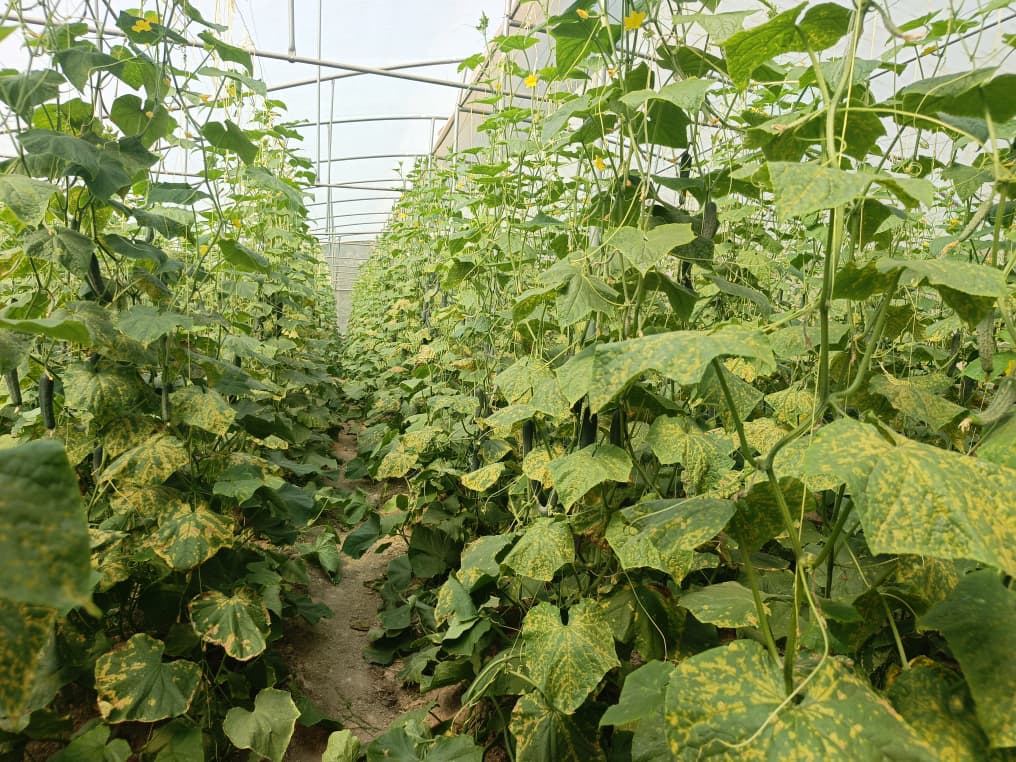
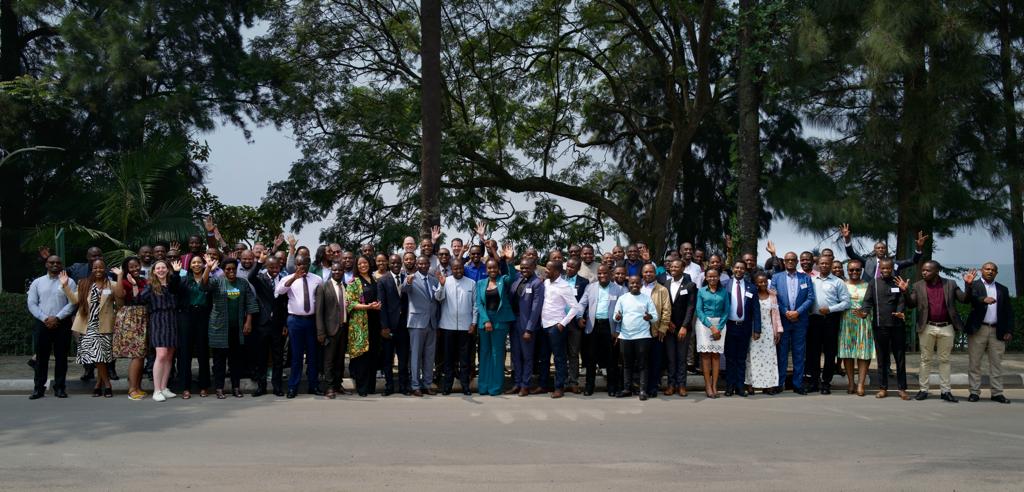
Sample photos


- Details
For about three decades, the Rural Development Interdiocesan Service (RDIS) has been at the forefront of sustainable and holistic development, successfully implementing a multitude of interventions aimed at poverty eradication and environmental protection. Our approach is rooted in community engagement, where we mobilize villagers to take an active role in their development journey.
Through capacity building, training, and practical support, we address key areas that are pivotal to the growth and prosperity of the communities we serve. These areas include modern agriculture, environmental protection, income generation initiatives, water and sanitation, and the establishment of savings and credit cooperatives.
We invite you to explore our ongoing and past projects, each is a testament to our commitment to fostering sustainable development and empowering communities. Discover how RDIS is making a difference and join us in our mission to create a more sustainable and equitable world.
- Details
Annual Narrative Report April 2018 to March 2019
This report contains planned activities for each project, progress made, geographical areas, indicators, output and outcomes where possible. Also, it gives some success stories/testimonies highlighting the utility of the intervention at the household and community level.
Summary of activities April to September 2018
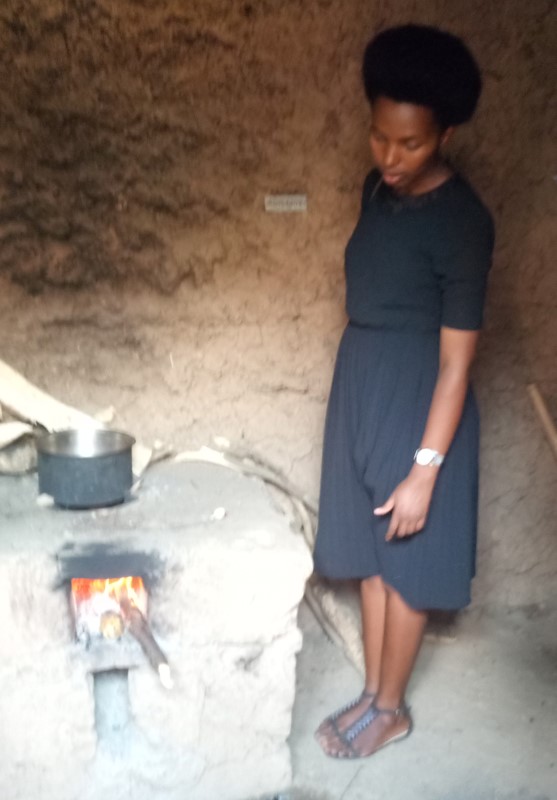
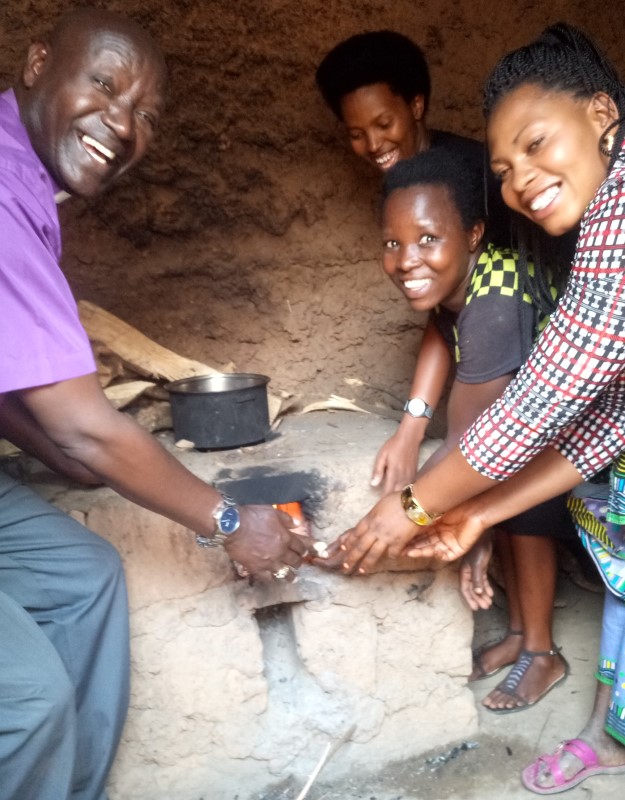
The report summarizes practical work carried out on the field from April to September 2018, strategic meetings with existing and new partners, Participation in clean cooking investment forum in Kigali.
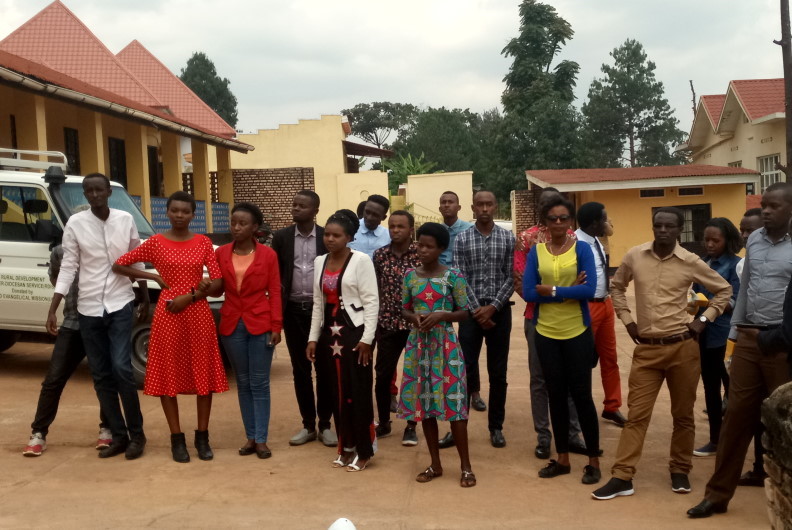

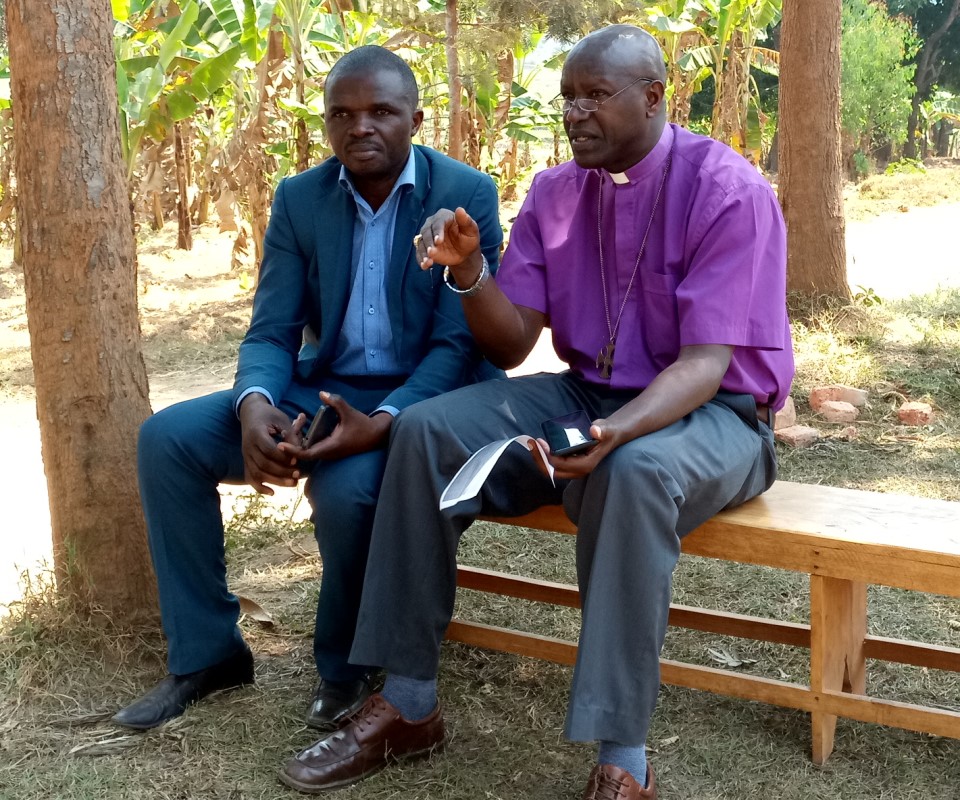


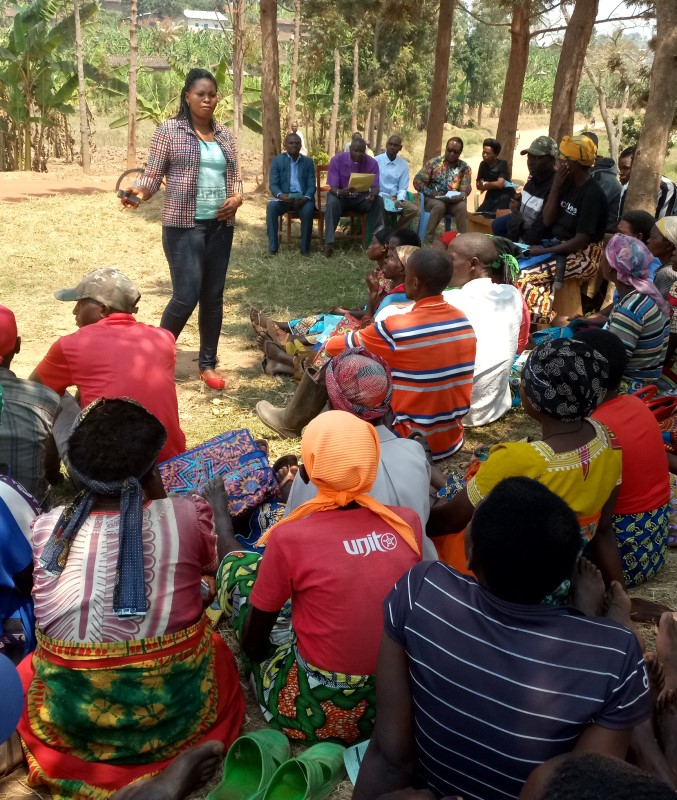
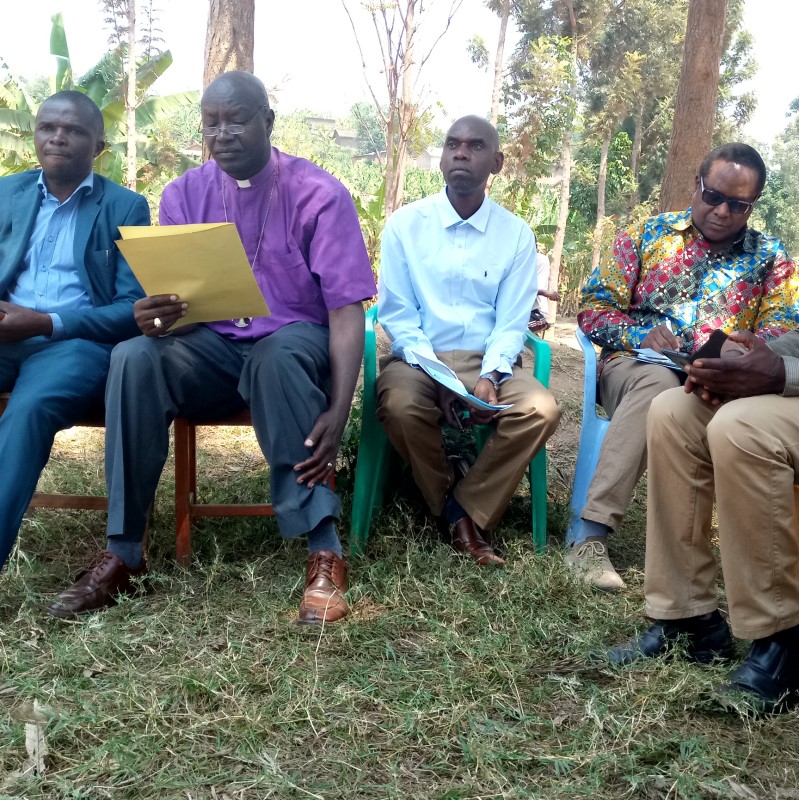
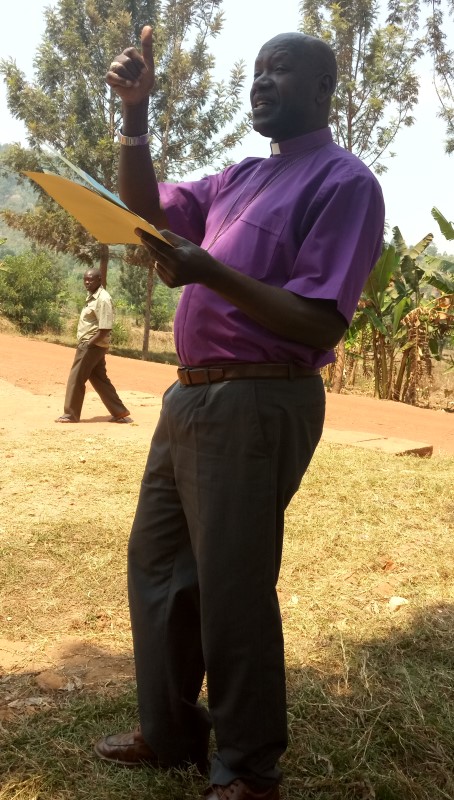
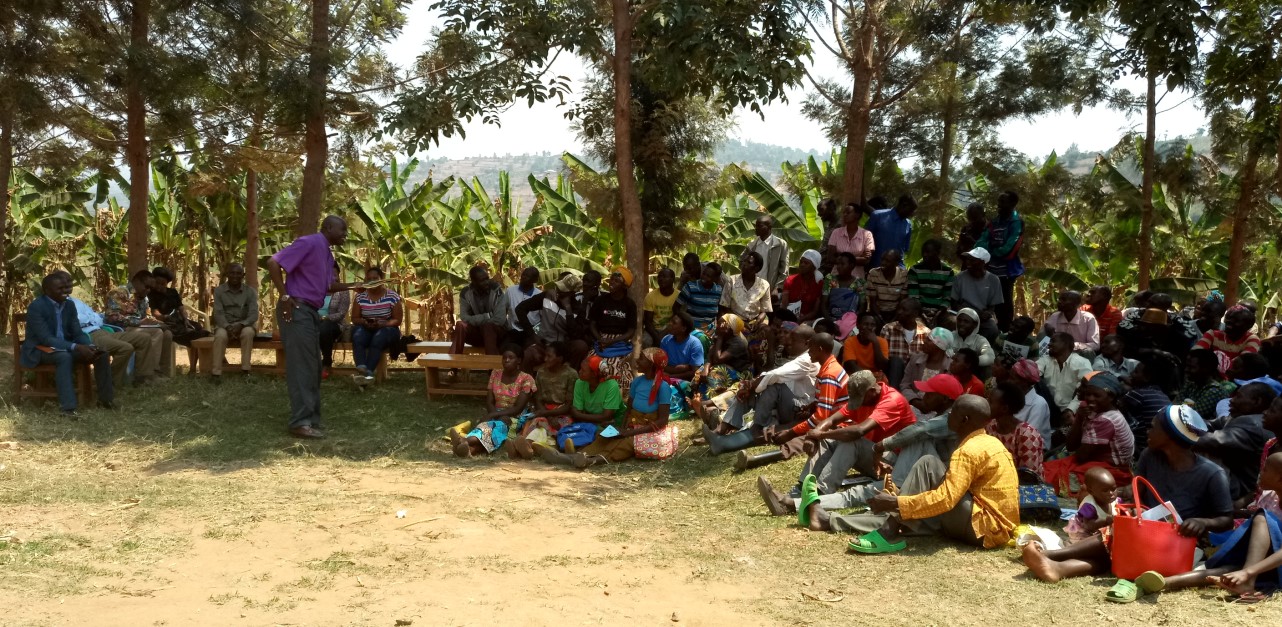
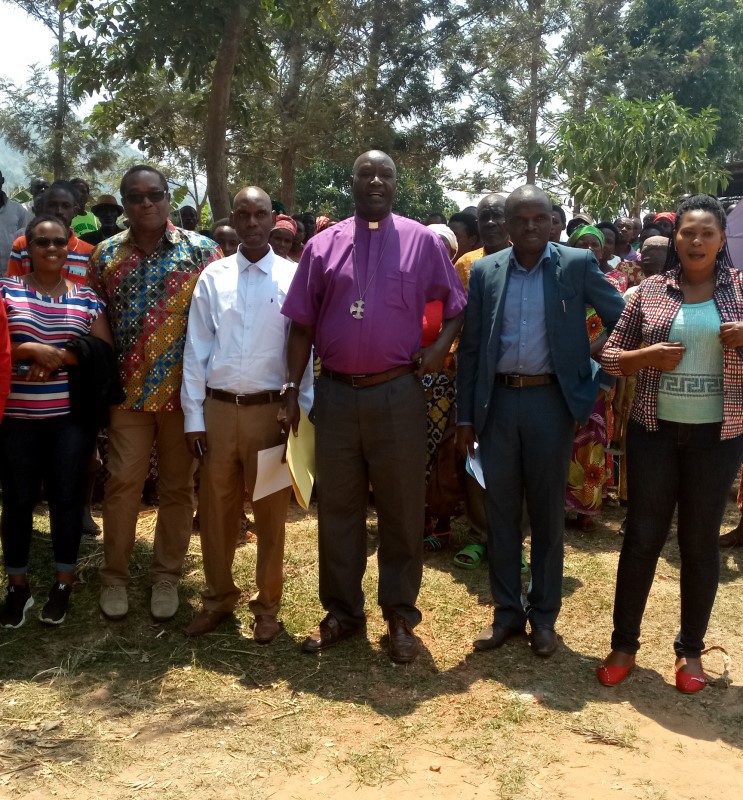
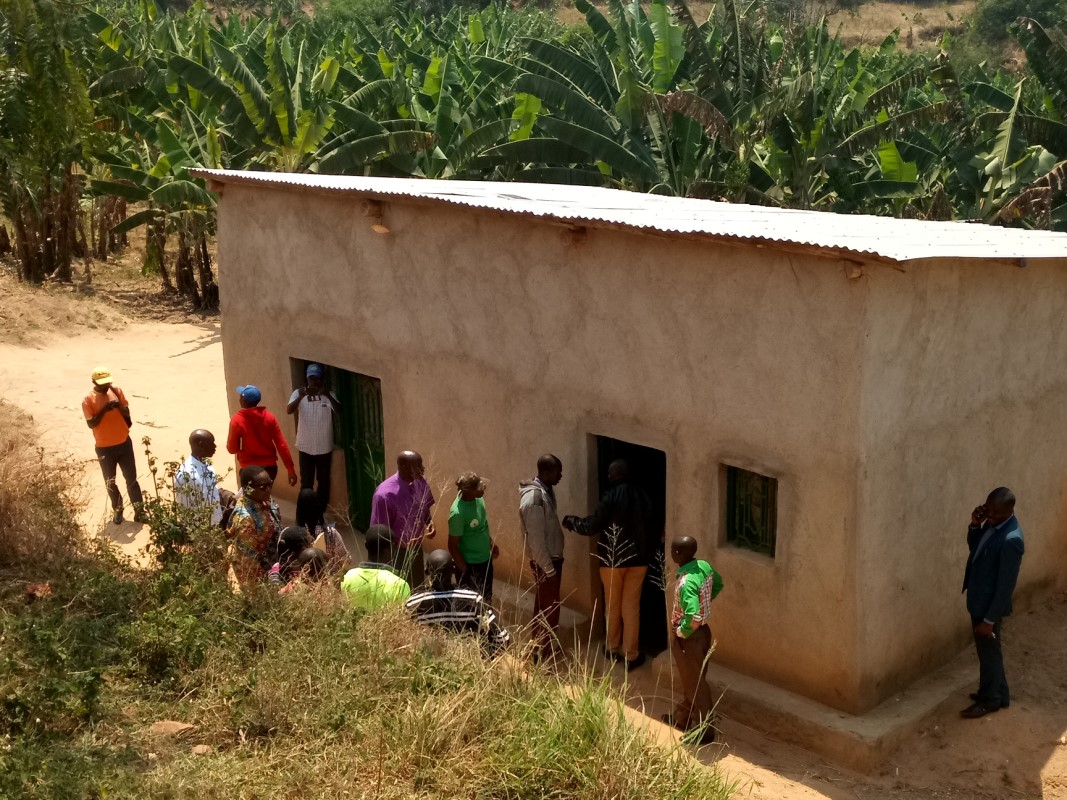





- Details
- INTRODUCTION:
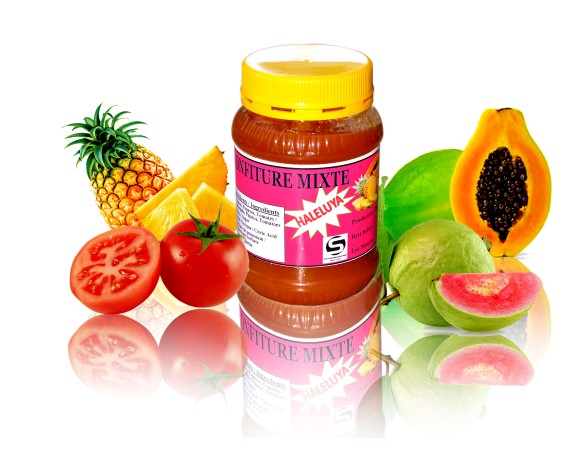
Le RDIS (Rural Development Interdiocesan Service) est une organization qui travaille pour le bien être social, spirituel et économique de la communauté habitant les zone d’action des quatres Dioceses de l’Eglise Anglicane du Rwanda (BUTARE-CYANGUGU-KIGEME-SHYOGWE ). Les domaines d’intervention de RDIS sont : La protection de l’environement, Reduction des désastres, eau et assainissement, la sécurité alimentaire d’où la promotion des fruits , bonne Gestion via Epargne – Credit et en fin le domaine de renforcement des capacités comme une section transversale. Ces domaines ont été retenus sur base des besoins réels de la communauté constatés et développés lors de l’elaboration des plan d’action communautaire en 2010. C’est sur cette base que le RDIS a élaboré un projet de promotion des cultures fruitières , projet qui a été soumis à ICCO et financé au mois de Mars 2012. La durée réelle d’exécution des activités fut ramenée à 8 mois consécutifs , du 01 -03 2012 au 30 -10-2012 suivant les conditions contractuelles spécifiques singées le 15-10-2011 et le 21-02-2012 respectivement par M. Jaap et Mr.NTARINDWA Viateur
- Details
As a community based development organization, the Rural Development Inter-Diocesan Service (RDIS) has since 2008 taken interest to contribute towards the mitigation of climate change by sequestering carbon from the atmosphere. Forests act as carbon sinks, absorbing carbon dioxide through the process of photosynthesis, and storing it in biomass and soil. This helps to reduce the concentration of greenhouse gases in the atmosphere and limit the global warming.
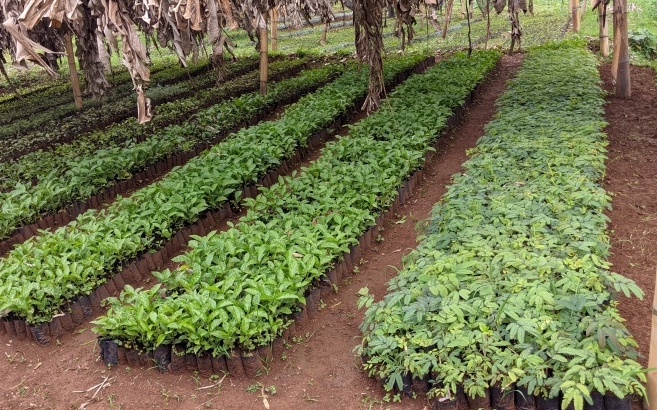
In addition, planting agroforestry, forestry, and fruit trees in Rusizi and Nyamasheke districts is crucial for promoting sustainable land use practices, which are essential for combating soil erosion and degradation, improving soil fertility, and conserving natural resources such as water and biodiversity. This is particularly important in Rwanda, because most of the population depends on agriculture for their livelihoods.
- Details
A project for supplying ‘Solar Home Systems’ in Off-grid areas in Rwanda
This project is a result of the „UEM Feasibility Study on Options of Using and Financing Renewable Energy and Energy Efficiency in Church Buildings in Tanzania and Rwanda” is a continuation of our work for environmental care and disaster risk reduction. Moreover, this feasibility study showed that it is possible for the UEM member Churches to implement environmental protection projects by investing in renewable energy sources (such as Solar Home Systems) in cooperation with ONE-FOR-THE-CLIMATE, whereby the invested capital has to be repaid back.
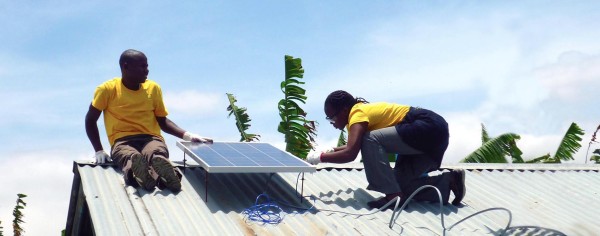
We have worked out a proposal for a pilot project for supplying ‘Solar Home Systems’ in Off-grid areas, which fits well in the new model, of investing in renewable energy sources, because it will improve the living condition of poorer people, it will serve the environment, it will be repaid back through the available savings and credit cooperatives and it allows joint funding by civil societies in the North and South as the beneficiaries are willing and ready to pay 30% of the investment in advance.
We are still working on modalities and finances to kickstart this pilot project. But we are willing to implement many more projects of this kind; of introducing investments in renewable energy sources.
The general objectives of this project are:
- To introduce investments in renewable energy sources by supplying ‘Solar Home Systems’ in Off-grid areas, whereby the invested capital will be repaid back.
- To promote environmental protection by introducing use of renewable energy technology in remote areas to reduce consumption of fossil fuels as well as to reduce accompanied eye and respiratory diseases.
- To improve the livelihood of poorer people in remote off-grid areas by giving them the possibility of working at night or to be productive even at night and by giving them access to information and communication (radio, TV, mobile phone charging).
NOTE: If you are willing to support us, especially by enabling us to invest in renewable energy and pay back the investment capital, please get in contact with us directly or through the UEM Africa department in Germany. Wo would be very thankful to get your support for promoting environmental protection in this quite new and innovative manner in our region.
Subcategories
Our Sponsors and Partners
RDIS collaborates with a diverse network of sponsors and partners who share its commitment to development, innovation, and community impact. These valued allies provide strategic support, resources, and expertise, enabling RDIS to implement sustainable projects, enhance service delivery, and drive positive change across Rwanda and beyond