- Details
Read also updates from our Stove Project here: How Our Improved Cook Stoves Are Making A Positive Impact in Rwanda
Among the major issues that challenge the environment in Rwanda is the wide use of open firewood stoves for cooking and for boiling drinking water. Similarly, the hunting, cutting, fetching and carrying of the tree logs and branches by man primarily living in rural communities have caused increasing deforestation despite the RDIS’s forestation and tree planting efforts. While the entire process is useful to enable households to have food on table, RDIS decided to come up with a project that would enable the local communities to continue using firewood for cooking in a sustainable and ecologically friendly way. This means we had to find an innovative solution of reducing the problem while promoting peoples welfare and standards of living. The only way to go was therefore to initiate Climate Change mitigation projects. Hence the planning and implementation of this project under the name: Carbon Emission Reduction for Self-sustainable Environmental Care Project (CCER).
See also:
- CCER 3 years narrative report, May 2017- December 2020
- Successful on-site verification of our Improved Cook Stoves Project (CCER) from 18 to 21/02/2020
. .
RDIS organisation with support from United Evangelical Mission (UEM) and Klima-Kollekte has produced a promotional video film for the CCER project to promote it to the audiences in Rwanda, in Germany and elsewhere. The aim of the film is to enable the audiences to understand the idea of the project and to be convinced that buying emission certificates from this project does not only reduce the CO2 emissions from cooking, but also reduces poverty and contributes to the people’s health, as there is less smoke in the respective houses.
English Version, 4 Min:Kinyarwanda Version, 4 Min:German version, 4 Min:

Our CCER Project, which is compliant with Gold Standard, is the solution to the challenge. It is about fabrication and distribution of Improved Cook Stoves, which help the end user, for example to save tones of CO2 emissions every year. However, in Rwanda, climate change projects have the potential of improving people’s lives beyond the mere reduction of emissions to improving household standards of living. In this sense, the promotion of the use of improved cook stoves and point-of-use water filters through the carbon emission reduction for self sustainable environmental care project (CCER) can be seen both as development projects and as carbon emission reduction projects.
Therefore, through our CCER, RDIS is committed to playing a role into climate change mitigation measures through the promotion of the use of improved cook stoves and ceramic water filters that is seen both as development projects and as carbon emission reduction projects. These projects could potentially be harnessed to change the paradigm in the way we think about climate change and development, by allowing those that used to be called “beneficiaries” to become the agents of change, the “heroes” of climate action. The beneficiaries, who are the end users of the Improved Cook Stoves, are the one who are playing the major role in environmental protection by reducing emissions.
The project targets mainly vulnerable communities and beneficiaries including widows, household headed by children and the poorest households mainly women and children that are to benefit from the reduced indoor air pollution and the time and effort requirement for collecting fuel. Both the cook stoves and the filters should benefit the whole household, regardless of gender, on the counts of climate change mitigation, reduced deforestation, and reduced incidence of water-borne diseases.
In close collaboration with Bread for the World, RDIS implements a Gold standard/CDM project on Improved Cook Stove and Ceramic Water Filters. The filters are an addition to carbon projects that improve the quality of the project, the impact on the households and on the environment, without playing a role in the generation of carbon credits.
At the beginning of this project, RDIS has conducted successful pilot projects to test cook stove and water filter technologies and the potential of financing them through carbon finance in the context of climate change mitigation with randomly selected communities in rural Rwanda. During the last 4 years of the project, the participating households have managed to reduce a number of Carbon Dioxide emissions at 3.22 tCO2e/y per cook stove. And have significantly improved the living standards of the community members living in and around RDIS working area through the improvement of Household Drinking Water quality and Reduction in the time and resources spent for collecting fuel for cooking and water boiling.
This project is currently registered under PoA GS 973 - RDIS CPA1 GS 4823 as one of a number of small-scale Component Projects Activities (CPAs) that is included under the ICSEA PoA GS 973. The project is in line with the stated aims of the Gold Standard. It is also consistent with the applicable UNFCCC rules for the Clean Development Mechanism (CDM).
Major benefits of our two-burner Improved Cook Stove:
- it’s affordable by rural communities (it costs 14,000 RWF (14 EUR) and lasts long),
- reduces emissions (about 3.22 tones CO2 equivalent emission reductions per household and per annum, thereby mitigating against Climate Change),
- saves money and forests (it saves more than 60% of firewood/charcoal compared to ordinary stoves),
- saves time (cook fast - more efficiently by 29.4%, users save also time for collecting firewood),
- diminishes respiratory and eye diseases (due to reduced smoke exposure).
Accomplishments:
Improvement in project cycle: We have greatly optimized the project cycle from fabrication of burners, distribution of stove parts to different locations, training for community members on installation and maintenance of the stoves, monitoring & evaluation up to reporting.
Good organizational structure: The RDIS organizational structure with a secretarial headquarter in Muhanga and five(5) zonal field facilitators and more that twenty(20) enumerators and installers at community level has proved to be a very efficient way for carrying out such a complex carbon project. For this we have also to be thankful to the steady and good leadership of the organization by the four church leaders of the dioceses of the Anglican Church in Butare, Kigeme, Cyangugu and Shyogwe.
Improvements in production quality and speed: The potter company which is producing the burners for us has a capacity of producing high quality 950 burners per month. These burners are enough for the installation of cook stove in about 500 households. By using the best clay that is found on a field owned by Shyogwe diocese, the quality of the burners has improved a lot. Furthermore, our trained installers are able to install up to 5 stoves in a day and they take this job serious as it has become a reliable source of income.
We disseminated more than 2,100 improved cook stoves in the project pilot phase from 2014 to 2015. As of now, we have distributed further 3,744 improved cook stoves, whereby 1,872 stoves are installed already in poor households in the Southern and part of the Western provinces of Rwanda.
Conclusion and challenges:
The demand for our stoves is high and we have not yet reached all areas in need of this intervention. So far, the distribution is going on very well and we hope to reach out to many poor households throughout the country as time goes on. However, our capacity is to distribute 6,000 stoves, although our CPA can accommodate up to 22,000 improved cook stoves. This number is indeed desired by CPA stakeholders so that "the project becomes financially viable and generates a significant volume of carbon credits”. But this is achievable only if we manage to secure enough funds to carry out this imperative work, either as loan or as payment for the burners, distribution and M&E costs.
RDIS organization in cooperation with a potter company is producing and distributing the stoves to end users. Community members are trained on how to install, maintain and repair the stoves. RDIS may also offer maintenance for free.
NB: We have the capacity to include more projects that are involved in energy saving activities so as to help them to get quick access to CDM Carbon Market. Contact us for more information.
- Details
As we strive to deliver in all our activities, we are proud that numerous organizations have recognized our progress and achievements. Below are some of the recent awards we have received.
-
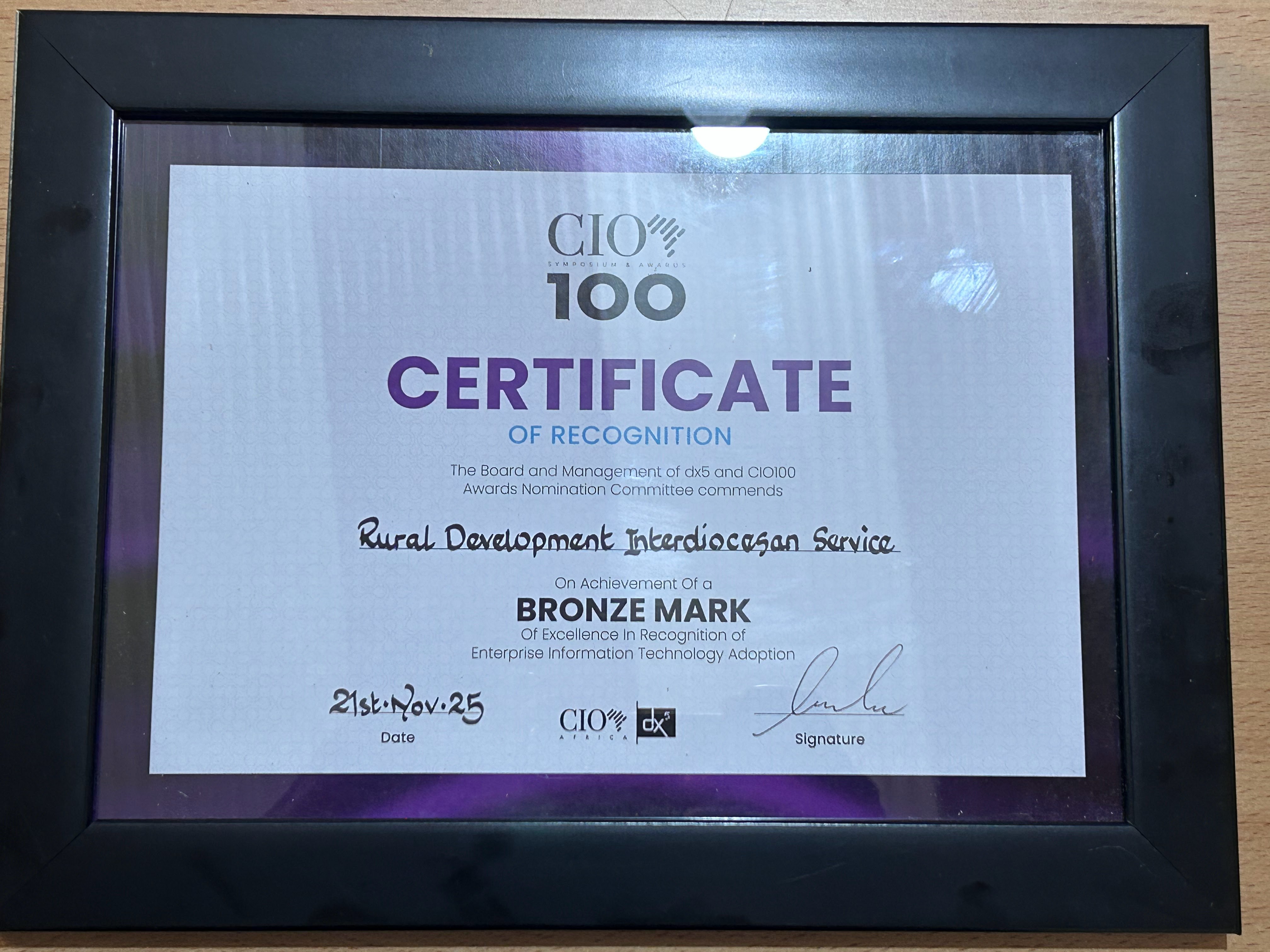
RDIS Earned Bronze Mark of Excellence at CIO100 Africa Symposium & Awards
Recognised for outstanding enterprise information technology adoption on 21st November 202
Rural Development Interdiocesan Service (RDIS) has been honoured with a prestigious Bronze Mark of Excellence by the Board and Management of dx5 and the CIO100 Awards Nomination Committee at Nairobi(Naivasha), Kenya, in recognition of the organisation's commitment to enterprise information technology adoption. Presented at the CIO100 Symposium & Awards a distinguished platform that celebrates Africa's most innovative technology leaders and institutions ;the certificate acknowledges RDIS's significant strides in leveraging digital tools to advance its mission of rural development. This recognition is a testament to the organisation's forward-thinking approach and its dedication to integrating technology in service of communities across the region.
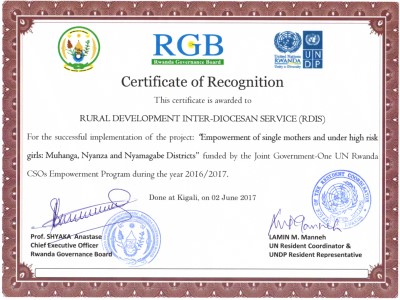
- Certificate of Recognition from Rwanda Governance Board (RGB): RDIS Organization was awarded this certificate on 2nd June 2017 for the successful implementation of the project: "Empowerment of single mothers and under high risk girls: Muhanga, Nyanza and Nyamagabe Districts" funded by the Joint Governance-One UN Rwanda CSOs Empowerment Program during the year 2016/2017
- We have also received a number of letters of recognition for successful implementation of development and environmental protection projects all over Rwanda, specially from the local administration offices (Districts, Sectors, Cells and Villages).
- RDIS Certificate-Sida-PFAN-Initiative
- RDIS Certificate-JADF-Muhanga
- RDIS Certificate-Gisagara-District-2015-2016
SEE ALSO: Downloads,
- Details
- Parent Category: projects
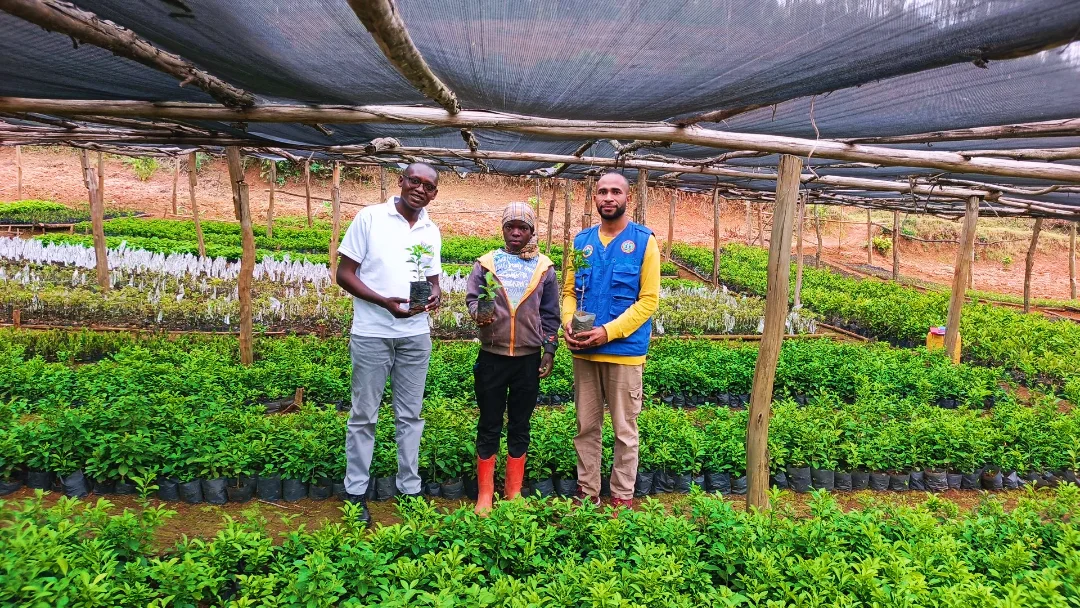
Since August 2025, being part of the UEM South-South Volunteer program and serving at RDIS (Rural Development Inter-diocesan Service) in Muhanga, Rwanda, has been one of the most transformative chapters of my life. Day by day, the routine that begins with morning prayers alongside this community is more than just a job; it is a profound journey of faith. Here, I have witnessed firsthand how church ministry is tangibly realized within the heart of the community.
Throughout this period of service, I have dedicated my time to learning and supporting RDIS, both through administrative work and by heading out into the field to witness the heartbeat of the local people. Observing closely how environmental and community empowerment programs are implemented has truly opened my eyes. This experience has taught me the vital importance of accountability, perseverance, and how a non government organization can become a powerful agent of change, creating a lasting impact on environmental sustainability and the well-being of others
- Details
- Parent Category: projects

Greetings!
My name is Linus Kühnhold, a 19-year-old from Germany who served as a volunteer for RDIS from August 2023 to August 2024. This opportunity has taken me to Rwanda, where I've been immersed in various projects and involved in meetings.
During my time in RDIS, I delved into projects, witnessing how initiatives work. Among them improved cook stoves, ceramic water filters, solar panels, climate smart agriculture, tree nurseries, and construction of houses. It has been inspiring to see how these projects positively impact people's lives. When not working on field with coordinators, I assisted at my mentor Jonas's school or engage in meetings in Muhanga in the RDIS headquarter.
I am immensely thankful to the United Evangelical Mission (UEM), the Anglican Church and RDIS for this enriching year. It has not only strengthened me personally but also broadened my understanding of work in Non-Governmental Organisation´s like RDIS and in a different country.
Thank you.
- Details
- Parent Category: projects
The following reflection was shared by an international volunteer who served at RDIS from October 2022 until August 2023. At the volunteer’s request and in respect of personal privacy, the name and photo of the volunteer remain anonymous.
“I was honoured to serve as a volunteer at RDIS from October 2022 until August 2023.
I was sent by the United Evangelical Mission (UEM), a long-term partner of RDIS and the four dioceses of the Anglican Church of Rwanda: Butare, Cyangugu, Kigeme, and Shyogwe. UEM organises several volunteer and exchange programs. Supported by Engagement Global, these programs encourage young people to engage with different social and cultural backgrounds and to broaden their perspectives through international experience. I was especially grateful to be among the first volunteers to participate again after the global Covid-19 pandemic.
My daily activities mainly involved office and administrative tasks, where I supported colleagues in their responsibilities and ongoing work.
I remain deeply grateful for the opportunity RDIS gave me and for the many experiences through which I learned more about the organisation’s work and the socio-economic context in which it operates.
These experiences strongly influenced both my academic journey and my personal development. The staff of RDIS works every day to positively impact the lives of their beneficiaries and during my time there, they also had a meaningful impact on mine.
Thank you, RDIS, for this enriching and unforgettable year.”
International volunteer service invites young people between the ages of 18 and 28 to spend a year contributing to projects in another country. Working together, cultural exchange, and learning from one another in everyday life are central aspects of the volunteer experience.
The Rural Development Interdiocesan Service (RDIS) in Rwanda periodically offers placements through the North-South volunteer program. This forms part of the United Evangelical Mission’s (UEM) volunteer service and the broader weltwärts program.
- Details
- Parent Category: projects
My name is Ansgar Utrata, I am 19 years old and I come from Germany. I spent the last year (September 2018 to August 2019) in Rwanda working for RDIS as a volunteer. 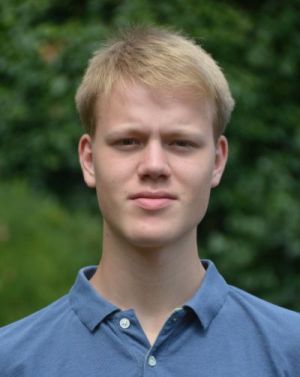 My sending organization is called United Evangelical Mission (UEM) where I participated in the North-South volunteer program. After my high school graduation, I wanted to do a voluntary service in order to develop as a person, get to know a new culture and make first practical experiences.
I was active in many different areas. Most of the time, I was doing office activities. For example, I helped to develop promotional material like a calendar about RDIS and a leaflet about a project. Or, when RDIS was working on a short film about the stove project, I recorded the German narrator voice. My personal highlight was to represent the organization at a booth at an international forum about the clean cooking sector in Convention Center Kigali. Often RDIS hosted international visitors, particularly from Germany. I was glad to accompany them on many interesting visits which was a nice change to everyday life. Additionally, I offered a German Class for beginners two times a week.
I am grateful for the opportunity to have spent two weeks in every of the other three zones of RDIS -Cyangugu, Butare and Kigeme. There I was working with the Field-Coordinators and we did numerous field-visits. In that way, I saw how our projects, like the improved cook stove, the ceramic water filter or the solar panel, help the rural population. Beside work, I had the chance to explore the cities.
The atmosphere in the head office was pleasant. From the beginning on, I participated in our meetings, so I felt completely integrated. I could learn a lot from my colleagues. Also, my English and French skills have improved significantly.
My voluntary service for RDIS influenced my choice of studies. I wanted to link my passion for languages with the field of management. After my return to Europe, I will study “Franco-German and International Management” in France and Germany.
Thank you RDIS for this wonderful and enriching year!
Ansgar Utrata
--
https://twitter.com/RDISforRwanda/status/1165591046467792896?s=20
Subcategories
Our Sponsors and Partners
RDIS collaborates with a diverse network of sponsors and partners who share its commitment to development, innovation, and community impact. These valued allies provide strategic support, resources, and expertise, enabling RDIS to implement sustainable projects, enhance service delivery, and drive positive change across Rwanda and beyond